The best time to visit Oman is from October through March. During these months, temperatures are pleasant and the climate is ideal for a road trip, active vacation, or beach getaway. Temperatures range between 20°C and 30°C, and the weather is sunny, dry, and there is little rain. The best time to visit for: road trips, hiking, desert safaris, and cultural experiences.
Climate in Oman
Oman has a desert climate with hot summers and mild winters. The climate varies by region:
Coastal areas (such as Muscat and Salalah): hot and humid, with plenty of sunshine
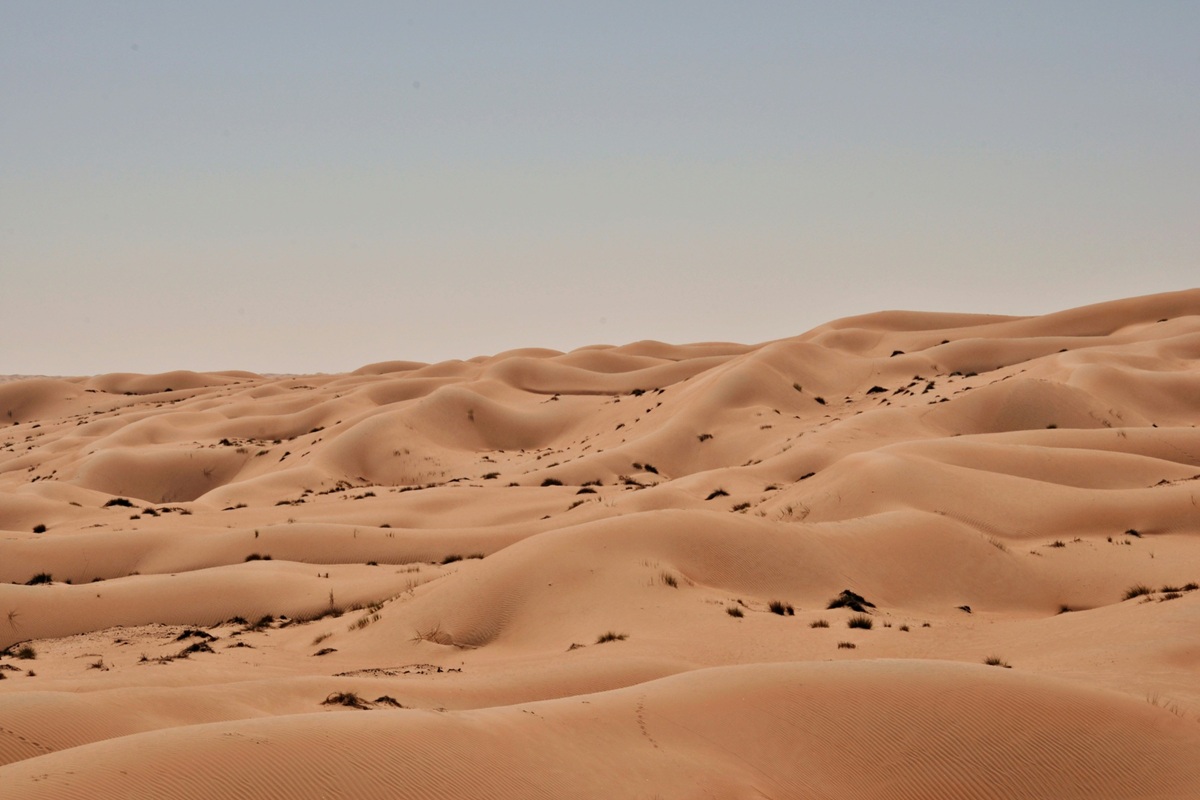
Inland and desert: extremely dry and hot, with large temperature variations
Mountainous regions (Al-Hajar): cooler, especially at higher elevations (up to 3,000 meters)
On average, Oman enjoys about 9 hours of sunshine per day.
Winter in Oman (October–March)
Winter is the best time to visit Oman. Highlights:
Temperatures: North (Muscat): 25–30°C – South (Salalah): 20–25°C – Inland: around 30°C
Cooler nights, especially in the mountains and the desert
Perfect for active travel and sightseeing
Advantages:
Perfect weather for sightseeing and outdoor activities
Ideal for desert overnight stays and hikes
Disadvantages:
High season: more tourists and higher prices
Tip: Travel in October or March for good weather and fewer crowds.
Spring in Oman (March–April)
Spring is an excellent transitional period. Characteristics:
Temperatures are rising to around 30°C
Fewer tourists than in winter
Perfect for sightseeing and nature tours
Highlight:
Jebel Akhdar (the “Green Mountain”) is in bloom around March/April
Perfect for hikes and spectacular views
Summer in Oman (May–September)
Summer is hot, but it also has its own unique benefits. Features:
Temperatures: often above 40°C
Very hot inland and in the desert
Quiet in terms of tourism and lower prices
Advantages:
Fewer tourists (a more relaxed travel experience)
More affordable accommodations
Disadvantages:
Extreme heat; not ideal for outdoor activities
Tips:
Get an early start on your activities
Be sure to bring plenty of water and sunscreen
A unique phenomenon: Khareef in Salalah (July–September)
In the south, around Salalah, the Khareef (monsoon) season takes place.
What makes this special?
The landscape is transforming into a green paradise
Fog, light rain, and cooler temperatures
Unique in the Arab world
Best time to visit for each activity
Tours & sightseeing:
October–March (best conditions)
Hiking & Mountains (Al-Hajar and Jebel Akhdar):
November–April
Desert experience:
October – March
Beach & coast:
All year round, but best in winter/spring
Nature & wildlife:
September: Sea turtles at Ras Al Jinz. Due to recent reports of mistreatment, we recommend avoiding this attraction for the time being.
Summer: whale sharks
Crowds and Tourism in Oman
High season: October – March
Less crowded: April and May, September
Off-season: June – August
Although Oman has not yet seen mass tourism, it is noticeably busier during the winter months.
Practical tips for planning your trip
If you are traveling during peak season, please book your trip at least 6 months in advance
Wear layers (warm days, cool nights)
Avoid strenuous activities in the middle of the day during the hot months
Plan your walks early in the morning
Conclusion: When to visit Oman?
The best time to visit Oman is from October through March, thanks to the pleasant climate and ideal conditions for a road trip.
Want to avoid the crowds? Then choose October, March, or April. If you’re traveling in the summer, be sure to prepare for the heat—but enjoy the peace and quiet and lower prices.
More inspiration
Get inspired and informed before visiting Saudi Arabia