Events
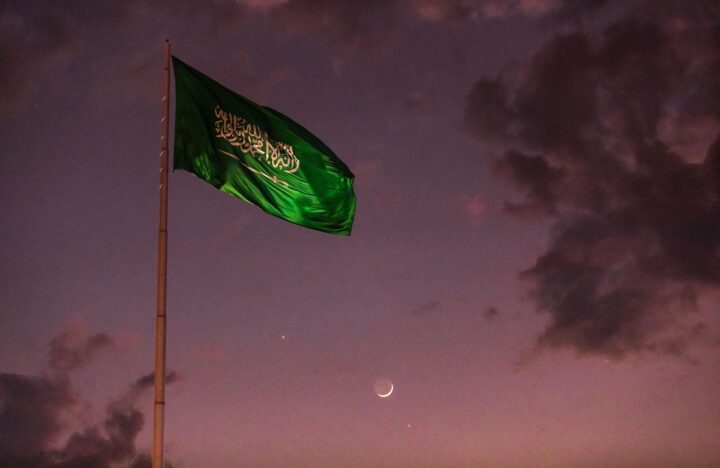
Saudi National Day 2026
Read article
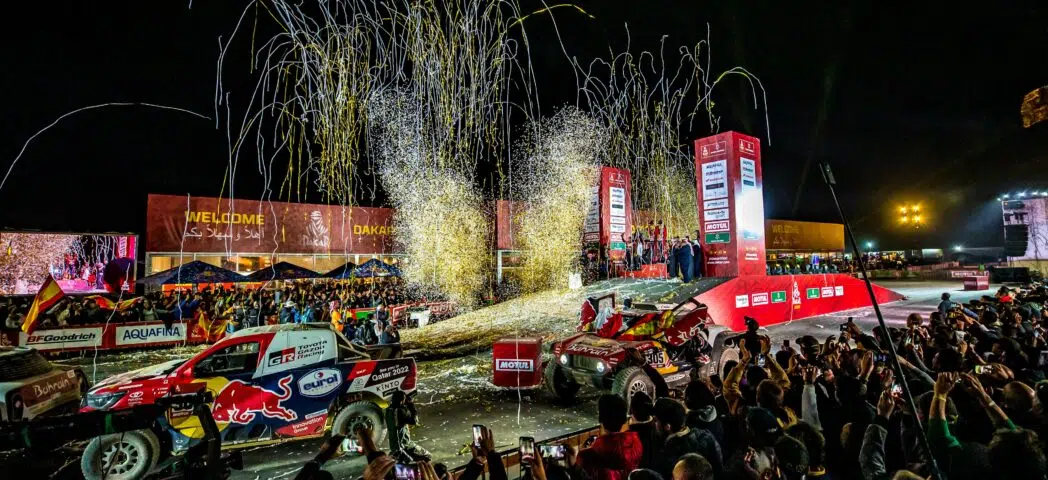
'A challenge for those who go. A dream for those who stay behind'. With those famous words, Thierry Sabine, the creator of the Paris-Dakar Rally, kicked off the very first desert race in 1978. A journey of ten thousand kilometers, across the Sahara, with Dakar as its final destination. Racing heroes compete in the event in a variety of classes: cars, motorcycles, quads and trucks. The Dakar Rally was organized in Africa for decades, then moved to South America, landing in Saudi Arabia in 2020.
Winning the Dakar Rally is part of Vision 2030, a multi-year plan aimed at putting the country on the international map, with sports as one of its key pillars. The 2026 Dakar Rally, which took place from January 3 through 17, brought drivers and teams to the Red Sea coast in Yanbu for a route of approximately 8,000 kilometers, including 5,000 kilometers of timed stages. Halfway through the rally, participants were able to rest during a rest day in Riyadh, the capital of Saudi Arabia. AlUla, Hail, and Jeddah were also visited.
The 2027 Dakar Rally begins on January 1 and ends on January 15, starting and finishing in King Abdullah Economic City. With a total distance of 8,390 kilometers, 5,320 kilometers of which consist of special stages, this will be the longest edition ever of the rally in the Kingdom of Saudi Arabia.
The Dakar Rally saw the participation of the first Saudi woman in 2022: Mashael Al Obaidan then rode in the Dakar Rally for the first time.
Sand, in all shapes and colors. The route of the Dakar Rally that was covered in 2026 would probably have been approved by the late Thierry Sabine, who was a motorcyclist himself and had a great fascination for the desert. The 2026 Dakar Rally had 787 participants who covered an exhausting 8,000 kilometers through the epic landscapes of Saudi Arabia in cars, motorcycles, trucks, and quads, an ultimate test of rally-raid endurance.
Want to experience the Dakar action up close? You can. There are areas set up for spectators at the start and finish line of each stage. You will visit the opening ceremony and get a unique look behind the scenes. Together with a guide, you will enter the bivouac, the temporary camp for riders and their teams, and get a chance to speak to the drivers.
Before and after the rest day, you will see the Dakar Rally live in action. From a safe distance you will follow how the participants compete for a spot on the podium, an impressive spectacle, with the vast desert as a breathtaking backdrop. Inform here about the possibilities.
For inspiration! See here for Dakar 2026 – The official film.

This year's Dakar Rally includes the Stock Production category, which aims to give less competitive vehicles the opportunity to participate, provided they have the necessary characteristics and capabilities to traverse the desert terrain. This category is based on commercially produced vehicles, with modified regulations allowing participants to make certain technical adjustments and improvements. Remarkably, Land Rover participated in the 2026 Dakar Rally with two Defender vehicles and finished first and second. A unique achievement.
The Dakar Rally also featured a special first: for the first time, cars running on alternative fuels competed. After all, racing is not the cleanest sport. The introduction of the so-called T1-Ultimate class is part of Dakar's ambitious plan for the future. If all goes well, the entire Dakar field will be driving a low-emission vehicle by 2030.
New sustainable technologies are also being tested alongside the route. The organization aims to power the bivouac entirely with renewable energy, with the sun as the most obvious source. By 2026, the Dakar Rally bivouac was already self-sufficient.
Get inspired and informed before visiting Saudi Arabia