
Frequently Asked Questions: Oman
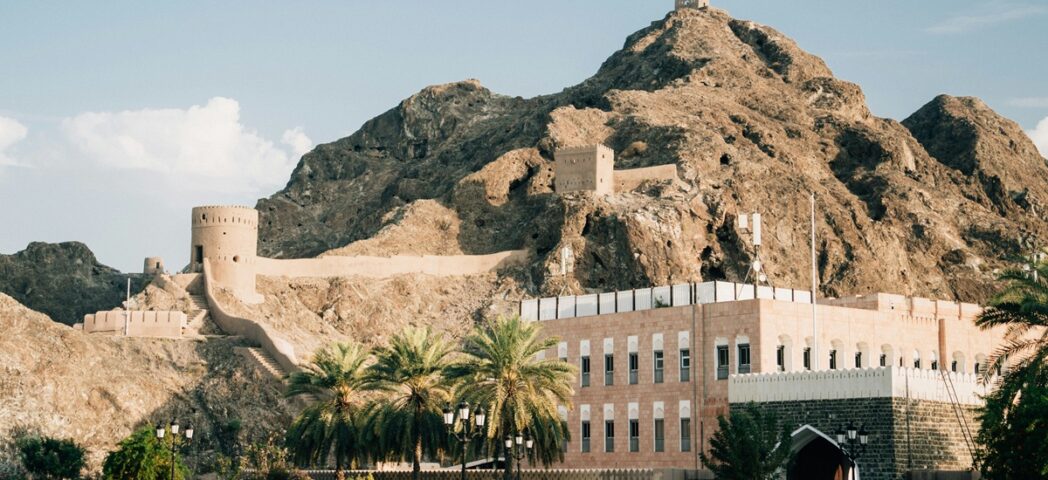
Oman is one of the most authentic and diverse destinations in the Middle East. From impressive mountain landscapes and vast deserts to lush wadis and historic cities, the country offers a unique travel experience. Still, many travelers have practical questions before they leave. In this guide, we answer the 10 most frequently asked questions about traveling to Oman.
An ideal tour of Oman lasts 8 to 12 days. During this time, you can visit highlights such as Muscat, the Wahiba Sands desert, and the Hajar Mountains. If you have more time, two weeks is ideal for discovering lesser-known regions as well. A trip shorter than a week is possible, but you’ll miss out on much of the diversity that makes Oman so special.
Yes, for a trip to Oman , you usually need a visa. Citizens of many countries can easily apply for an e-visa online before departure. For short stays (up to 14 days), a visa exemption applies to citizens of the Netherlands and Belgium. Always check the most current regulations before departure to avoid any surprises.
In Oman, you’ll find a wide range of accommodations: from luxury resorts and boutique hotels to simple overnight stays with local families. Cities like Muscat and Nizwa are home to many large international hotels. In nature reserves, you’ll often stay in small-scale boutique hotels or at a unique glamping experience in the Wahiba Sands, which offers an authentic experience.
The best time to visit Oman is from October through April. Temperatures are pleasant then (25–30°C), ideal for sightseeing and outdoor activities. During the summer months, it can get extremely hot, especially inland. The region around Salalah is an exception thanks to the green monsoon season (khareef).
The official currency of Oman is the Omani rial (OMR). This is a strong currency with a fixed exchange rate against the U.S. dollar. Debit and credit card payments are accepted in cities and tourist areas, but it is wise to bring cash for smaller purchases and remote regions.
There are no mandatory vaccinations for travel to Oman. However, routine vaccinations such as DTP and hepatitis A are often recommended. Always consult a medical professional or travel health clinic for personalized advice, especially for longer trips or special activities.
Oman is known as one of the safest countries in the Middle East. Crime rates are low, and travelers are generally welcomed warmly. Independent travel by rental car is also safe and popular. As always, stay alert and respect local rules and customs.
According to Condé Nast (2025), Oman is among the safest countries in the world. With a Safety Index of 81.4, Oman ranks 6th globally—higher than many well-known European destinations.
Oman is an Islamic country where respect for local culture is important. In Muscat and other cities, modest clothing is appreciated: shoulders and knees should be covered. When visiting religious sites, such as the Sultan Qaboos Grand Mosque, stricter dress codes apply. Public displays of affection and loud behavior are discouraged.
Top attractions in Oman include Muscat, the mountains of Jebel Shams, and the Balcony Walk, the wadis such as Wadi Shab and the Wahiba Sands Desert. Also historic sites such as Nizwa and the goat market and the green region around Salalah are definitely worth a visit.
Alcohol is permitted in Oman, but only in licensed hotels, resorts, and bars. It is not available in regular stores, and drinking in public is prohibited. In international hotels, especially in Muscat, alcohol is generally available to tourists.
Traveling to Oman is a unique experience that combines nature, culture, and hospitality. With the right preparation, you can make the most of your trip through Oman. These frequently asked questions provide a solid foundation for planning your trip effectively and fully enjoying everything Oman has to offer.