Nature - Culture
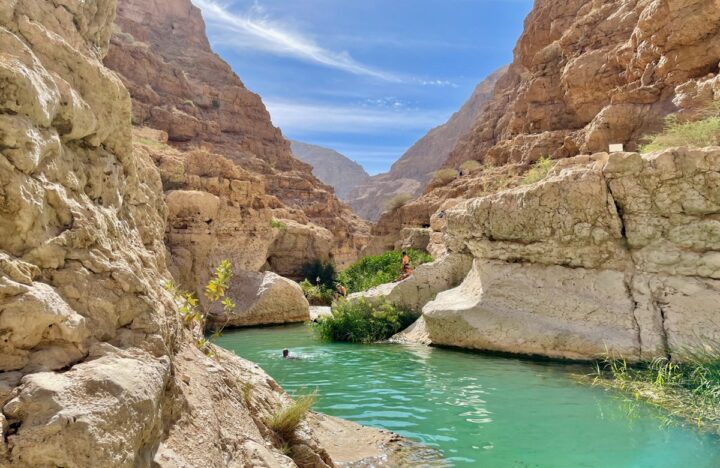
Oman’s Most Beautiful Wadis: A Complete Guide for Travelers
Read article

Oman is one of the most hospitable and authentic destinations in the Middle East, where centuries-old traditions blend seamlessly with modern luxury. From charming souks and historic forts to vast deserts and impressive wadis, the country offers a unique travel experience.
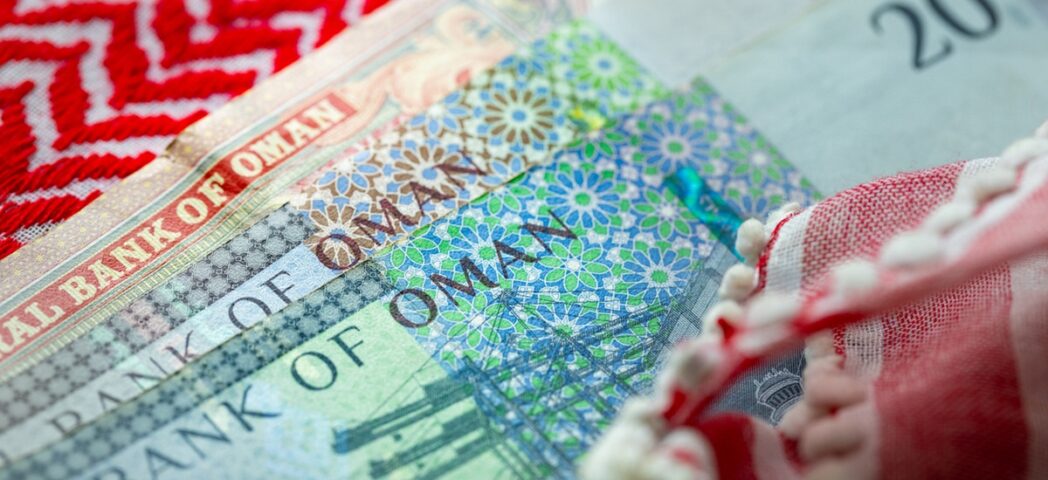
The official currency of Oman is the Omani rial (OMR), also written as Riyaal Omani (RO). This currency is known for its stability and is used for all everyday payments, by both locals and tourists. One Omani rial is divided into 1,000 baisa (bz). This makes it one of the currencies with the finest denominations in the world. Credit card payments are accepted in many places, though cash remains convenient for smaller purchases, local markets, and remote areas.
In Oman, the following currency, banknotes, and coins are used:
Banknotes (rial):
Coins (baisa):
Coins are rarely used in practice, as amounts are often rounded off. The banknotes feature important cultural symbols and images of the sultan.
The exchange rate of the Omani rial is relatively stable. On average:
The value of the Omani rial is pegged to the U.S. dollar. Between 1973 and 1986, a fixed exchange rate of 1 rial = 2.895 U.S. dollars was in effect. Since 1986, the Central Bank of Oman has maintained an adjusted fixed rate of 1 rial = 2.6008 U.S. dollars. This peg has been maintained to this day.
For the most up-to-date exchange rates, you can use apps such as XE Currency or websites such as OANDA.
ATMs are widely available in Oman, especially in cities such as Muscat and at airports. You can withdraw cash in many places in Oman using a Dutch bank card. However, withdrawal limits vary by bank and ATM: some have a limit of 250 OMR per day, while others allow up to 700 OMR. In addition, the daily limit on your own Dutch bank card also applies, which is often around €500 per day for withdrawals abroad.
Important for Dutch and Belgian travelers:
Debit cards with a Maestro or Cirrus logo are often set to "Europe" by default. Before you leave, temporarily switch your card to "World" so you can withdraw cash in Oman.
Credit cards are widely accepted in Oman, particularly at:
The most widely accepted cards are:
In remote areas, cash is often necessary.
You can easily exchange currency at:
For the best exchange rate and security, it is recommended that you exchange currency only at official institutions. This also reduces the risk of receiving counterfeit money.
Get inspired and informed before visiting Saudi Arabia