Events
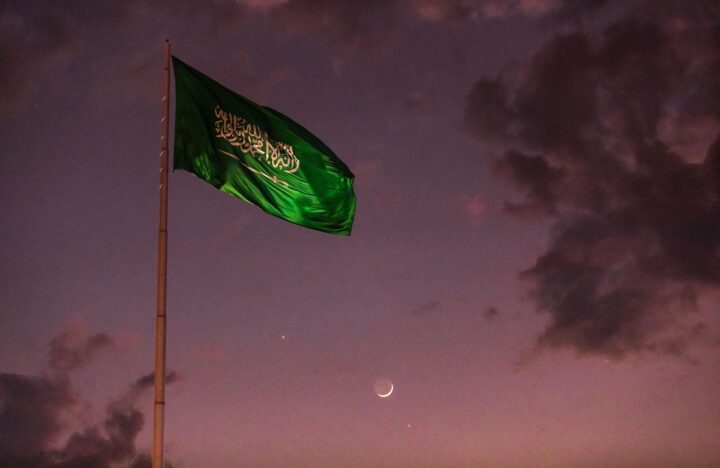
Saudi National Day 2026
Read article

In a historic move, Abeer AlAkel has assumed the role of CEO at the Royal Commission for AlUla, marking significant progress toward gender equality in leadership positions in Saudi Arabia. This appointment not only highlights Saudi Arabia's progressive reforms, but also symbolizes the confidence and prestige accorded to a female leader in AlUla, one of the country's most important tourism projects.
The decision to appoint Abeer AlAkel as CEO symbolizes Saudi Arabia's commitment to promoting gender equality in all its sectors. It is a testimony to the evolving nature of the country, where inclusiveness and equal opportunities are becoming integral parts of the socio-economic framework. This step serves as an inspiring example to other industries, showing that gender should never be a barrier to holding leadership positions.
Abeer AlAkel's appointment is not only a personal achievement, but also a collective triumph for the travel industry, the country and its people. We believe that diverse leadership contributes to more innovative and inclusive decision-making, driving positive change within organizations and the broader community. Abeer AlAkel's success in this key position will undoubtedly inspire countless individuals and pave the way for a more equitable future in Saudi Arabia and beyond.
Finally, the appointment of Abeer AlAkel as the new CEO of the Royal Commission for AlUla is a historic moment that extends beyond the business sphere, symbolizing a transformative shift toward gender equality and empowerment. We wish Abeer all the best in her new role and look forward to seeing the positive impact she will undoubtedly have on the organization and the broader landscape of Saudi Arabia.

From tombs as old as mankind, to a futuristic concert hall that blends into the sun-drenched landscape. Considered the natural and cultural highlight of Saudi Arabia, AlUla is an absolute must-see on your tour of Saudi Arabia.
The ancient Nabatean tombs of Hegra are the great attractions of AlUla, carved out of the rock between the 1st millennium BC and the 1st millennium BC. Hegra was the commercial counterpart of the Nabatean capital of Petra, but their city flourished here only about 200 years before it was annexed by the Romans. Explore this mysterious highlight by vintage Land Rover, bouncing along the dirt roads with 360-degree panoramic views of Hegra's extraordinary landscapes. The most immediately recognizable tomb is that of Lihyan Son of Kuza, but the smaller tombs are equally fascinating and enigmatic.

In an unlikely position between two honey-colored sandstone cliffs, the pool at Banyan Tree AlUla is breathtaking. Enjoy the view of the extraordinary geological rock formations in the surrounding Ashar Valley during the day, or at sunset when the soft light makes the resort even more beautiful. Although the pool itself is an architectural masterpiece, the same can be said for the rest of the hotel. The tent villas are so well camouflaged that you hardly notice them from a distance, but up close, they are pure grandeur, and it becomes clear why Banyan Tree is considered the best and most beautiful hotel in AlUla and the surrounding area.

In a remote stretch of desert outside AlUla, Gharameel's clear, dark, pollution-free skies are the perfect canvas for breathtaking stargazing. Arrive before sunset to admire the otherworldly rocky peaks reaching for the sky like gnarled fingers, then sink down on rugs and cushions to watch the celestial show. Organized tours include dinner and an astronomer who will point out the constellations that Arab nomads and traders used to navigate their journeys across seas and deserts. Try to plan your visit for a clear night with a new moon and the stars will seem to shine even brighter.

Inhabited from the 12th century until the 1980s, AlUla Old Town was an essential stop for travelers on the pilgrimage route from Damascus to Makkah. Today it is a fairly compact mix of restored mud buildings, stores, cafes and restaurants, as well as a collection of dilapidated houses best seen from the top of the settlement's 10th-century fortress. The Al Jadidah arts district comes alive in winter with pop-up stores, exhibitions and an old-fashioned outdoor roller skating rink. In addition, you can walk from the old center to the six-kilometer Oasis Trail to wander around under towering date palms. Old Town is also one of the best places to eat in AlUla. On the roof of a restored house is Suhail they serve dishes made from local ingredients, such as the AlUla orange, lavender salad and jareesh topped with caramelized onions and a touch of gold leaf. At Somewhere, on the edge of Al Jadidah, crispy shrimp with kunafa and generous portions of sayadieh are served under swaying palm trees. And to sample the fruits of AlUla's oasis, head to Tomoor for specialty coffee accompanied by pastries and desserts made with locally harvested dates.

The most impressive modern building in AlUla is the Maraya Concert Hall, the largest mirror building in the world. Stunningly situated amid the sand dunes of the Ashar Valley, Maraya appears out of nowhere like a mirage despite its imposing size, reflecting the sky and surrounding landscape on every surface. But it's not just about the exterior. There is an excellent restaurant, Maraya Social, on the roof, and the venue hosts major concerts during the winter season, with names such as Alicia Keys, Cheb Khaled, and One Republic performing here.

Get inspired and informed before visiting Saudi Arabia