Events
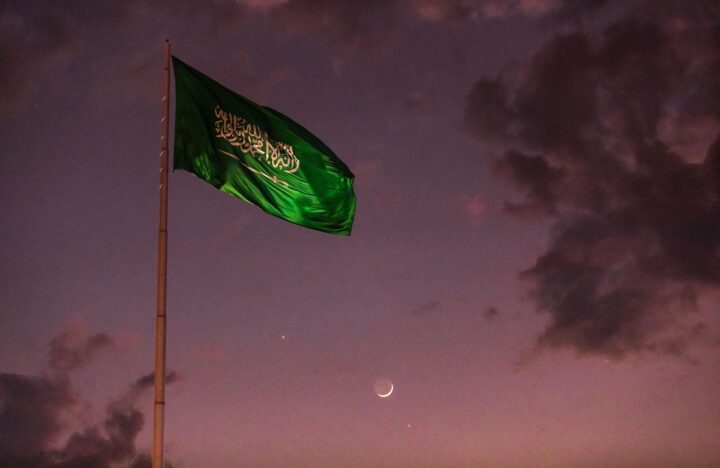
Saudi National Day 2026
Read article
Rub Al Khali is the largest uninterrupted desert on our planet, covering 650,000 km². 'The Empty Quarter' is slightly larger than Germany and Italy combined. This frightening yet fascinating environment has attracted the attention of kings, nomads, and adventurers for thousands of years. In the west, Rub Al Khali reaches heights of up to 610 meters with fine sand, while in the east, the desert reaches a maximum height of 180 meters, with sand dunes, sabkhas (salt flats), and sand plains.
The Rub Al Khali desert ranks high in the top ten places on earth you would rather not live. Its name means "The Empty Quarter," and the desert stretches unbroken across southern Saudi Arabia and parts of Yemen, Oman and the United Arab Emirates.
Germany and Italy come closest in terms of surface area. This makes it the largest desert or sand dune area in the world. With between zero and fifty millimeters of rainfall per year, it is even drier here than in that other notorious uninhabitable place on earth—Death Valley in the United States.
Temperatures of over fifty degrees during the day and ten degrees of frost during the nights in Rub Al Khali are no exception. With a lack of water and these extreme temperatures, you can understand why no towns or villages can be found in the empty quarter. Sand, on the other hand, you will find plenty. In some places, the layer of sand is more than two hundred meters thick. Not an ideal habitat for people, but some twenty species of plants, arachnids and a few rodents have managed to survive in the hostile environment of Rub Al Khali.
Fact: In 1948, Al-Ghawār, the world's largest conventional oil field, was discovered in the northeastern part of the desert. The field stretches about 260 km from north to south, east of Riyadh and contains tens of billions of barrels of oil.
Traders have passed through Rub Al Khali for thousands of years, but no evidence has been found to date that people have also settled here permanently. Yet a two-thousand-year-old Arab legend speaks of the fabulous lost city of Ubar, buried beneath immense sand dunes somewhere in the desert. The search for this city was made more popular than ever in 1992 by the book 'Atlantis of the Sands: The Search for the Lost City of Ubar', written by explorer and adventurer Ranulph Fiennes.
Fiennes gathered his first clues about the location of Ubar - described by Lawrence of Arabia as the Atlantis of the sands - while fighting communists in the desert in 1968. For the next twenty-four years, the search became an obsession. Eventually, Fiennes found the location in the Omani part of Rub Al Khali where the mysterious Ubar was supposed to have been located, although there is still much division among scholars as to whether this is actually the legendary lost desert city.

Those who come face to face with the otherworldly landscape of the Rub Al Khali desert will not be surprised that directors of such films as Star Wars and The Matrix made their scripts come to life here. The desert is a fascinating and vast landscape full of relief and warm color tones. It has an alienating effect and is the perfect place to get away from everything and everyone. Moreover, during the Arabian winter, the desert is great for outdoor camping. There is no light pollution, making it one of the best places on earth for stargazing. A visit to Rub Al Khali is an unforgettable experience during your trip through Saudi Arabia, but remember to bring plenty of water and hydrating fruits like oranges.
Get inspired and informed before visiting Saudi Arabia