Events
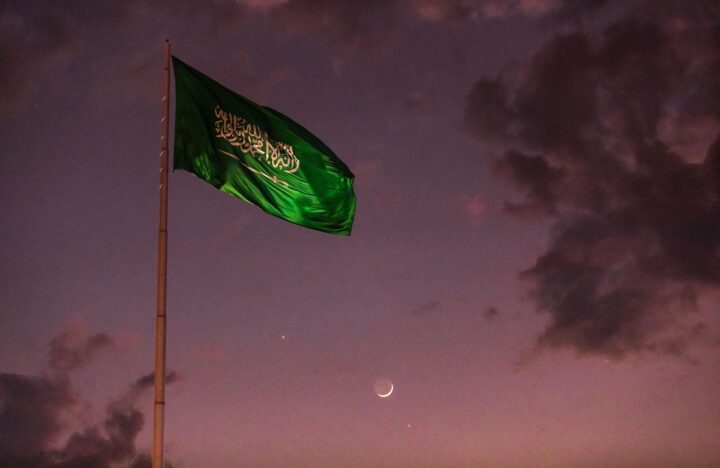
Saudi National Day 2026
Read article

Saudi Arabia is home to eight UNESCO World Heritage sites, reflecting a rich mix of culture, history and natural beauty. These UNESCO sites range from ancient archaeological wonders to impressive natural areas, and they attest to the kingdom's importance in both world history and the development of human heritage. UNESCO sites include icons such as the ancient remains of the Nabataean civilization, the world's largest oasis and the first capital of the Saudi dynasty, and offer a fascinating insight into both Arab and global history. These sites are not only of great cultural significance, but also of strategic importance in protecting the human past for future generations.
The Al-Ahsa Oasis, located in the eastern part of the Arabian Peninsula, is a diverse and special heritage consisting of gardens, canals, springs, wells, a drainage lake, historic buildings, urban construction and archaeological sites.
This site houses traces of continuous human habitation in the Gulf region from the Neolithic to modern times. With approximately 2.5 million date palms, Al-Ahsa is considered the largest oasis in the world. It also constitutes a unique geocultural landscape and offers an impressive example of the interaction between humans and their environment.

The archaeological area Hegrawas the first site in Saudi Arabia to be added to the World Heritage List. The area is home to the best-preserved remains of the Nabataean civilization south of Petra in Jordan. The landscape is dominated by 111 well-preserved tombs, 94 of which feature detailed facades, dating from the 1st century BC to the 1st century AD. In addition, there are about 50 inscriptions from the pre-Nabataean period and some cave drawings. With its monumental tombs and ingenious wells, Hegra is an impressive example of both architectural craftsmanship and hydraulic technology.
The citadel of at-Turaif, located in the heart of the Arabian Peninsula, northwest of Riyadh, was the first capital of the Saudi dynasty. The city, founded in the 15th century, is an important example of traditional Najdi architecture. In the 18th and early 19th centuries, its political and religious influence increased significantly. The citadel became the center of power for the House of Saud, while the Wahhabi reform continued to spread within the Islamic world. The area also houses the remains of palaces and an urban complex on the edge of the ad-Diriyah oasis, underscoring its importance as a historical and cultural center.

This World Heritage Site is located at a strategic junction of ancient trade routes on the Arabian Peninsula. Around the 5th century AD, the area was suddenly abandoned. Archaeological excavations have uncovered nearly 12,000 finds, covering a rich history from prehistory to the late pre-Islamic period. The discoveries testify to successive habitation by three different population groups and their adaptations to ever-changing conditions. The heritage includes Paleolithic and Neolithic tools of early humans, tapered structures, cairns and circular structures, the sacred mountain Khashm Qaryah, petroglyphs, burial mounds, forts and caravanserais, an oasis with an advanced water control system, and the remains of the city of Qaryat al-Faw.
This site is located in an arid, mountainous landscape in southwestern Saudi Arabia, along one of the ancient caravan routes of the Arabian Peninsula. The site houses an impressive collection of petroglyphs that reflect hunting, wildlife, flora and the lifestyle of the region, with a cultural continuity that spans more than 7,000 years. Travelers, caravans and armies that have camped here over the centuries have left behind a rich treasure trove of rock inscriptions and petroglyphs, most of which are in excellent condition. The inscriptions are written in a variety of scripts, including Old South Arabic, Nabataean-Aramaic, South Arabic, Old North Arabic, Greek and Arabic. The heritage site and its buffer zone are further rich in unexcavated archaeological remains, such as cairns, stone structures and ancient wells. This location is also the site of the oldest known toll station, where the springs of Bi'r Himã are at least 3,000 years old and still provide fresh water.

The historic city Jeddah, also called the "Gateway to Makkah," is located in Saudi Arabia on the east coast of the Red Sea. From the 7th century AD, Jeddah developed into an important port for trade routes across the Indian Ocean, bringing goods to Makkah. In addition, the city served as a gateway for Muslim pilgrims traveling to Makkah by ship. Because of this dual function, Jeddah grew into a thriving, multicultural center. The city is known for its distinctive architecture, including the tower houses built by the mercantile elite in the late 19th century. Furthermore, the local building tradition reflects the use of Red Sea coral stone, combined with influences from the various cultures and crafts along the trade routes.
This site consists of Jebel Umm Sinman in Jubbah and Jabal al-Manjor and Raat in Shuwaymis, both located in a vast desert landscape. Once a vanished lake was located here at the foot of the Umm Sinman ridge, which acted as a source of fresh water for both people and animals in the southern part of the Great Nefud Desert. The ancestors of today's Arab inhabitants left traces of their presence in the form of petroglyphs and inscriptions on the rock walls. Jabal al-Manjor and Raat, located on the rocky slopes around a wadi that is now covered with sand, show numerous depictions of human and animal figures, some of which are up to 10,000 years old.

This World Heritage Site covers the western part of the largest sand plain in the world, the Ar Rub' al-Khali, one of the most impressive desert landscapes on Earth.. The varied topography of the area creates a wide range of wildlife habitats. The terrain is known worldwide for the successful reintroduction of iconic desert animals, such as the Arabian Oryx (Oryx leucoryx) and the Arabian Sand Gazelle (Gazella marica), which had disappeared from the wild for decades and are now back in their natural habitat. The dynamic dunes also provide a rich, oxygen-rich habitat for sand-diving invertebrates and reptiles.

Get inspired and informed before visiting Saudi Arabia