Events
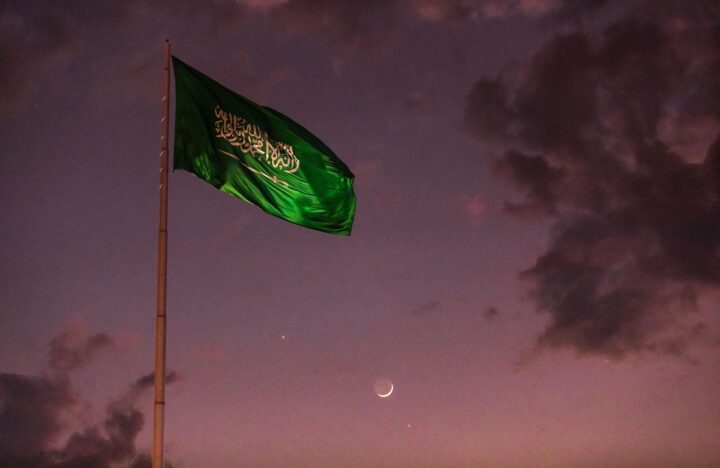
Saudi National Day 2026
Read article

Situated in the heart of the Arab world, Saudi Arabia is a country steeped in rich history and culture. The Land of the Two Holy Mosques is home to some of the most breathtaking landscapes, iconic landmarks and an ancient culture that dates back to pre-Islamic times. We delve deeper into the fascinating world of Saudi history and culture, spanning the ancient past to the present day.
Saudi Arabia is a country with a rich and diverse history dating back more than 7,000 years. The country has been home to many civilizations and empires, each of which has left its mark on the country and its people.
The pre-Islamic era of Saudi Arabia is divided into three distinct periods: the ancient era, the early Arab era, and the later Arab era. During the ancient era, the area was home to various tribes, including the Thamud, Lihyan, and Nabataeans. These tribes were known for their impressive architecture, art, and culture, which can still be seen in the many ruins and artifacts that Saudi Arabia is rich in.
The early Arabian era began in the 6th century CE, when the tribes of the Arabian Peninsula began to unite under a common language and culture. During this period, powerful empires emerged, such as the Kindah and Lakhmids, who controlled vast territories and traded with neighboring regions.
The later Arabian era began in the 4th century CE and saw the rise of the powerful Sassanid Empire, which controlled much of the Middle East. During this period, the Arabian Peninsula was a major center of trade and commerce, with caravans traveling through the region to transport goods between Asia, Africa and Europe.
The establishment of Islam in Saudi Arabia is one of the most significant events in the country's history. It all began in the 7th century CE when Prophet Muhammad (VZMH) received his first revelation in Makkah. In the following centuries, Islam spread rapidly throughout the Arabian Peninsula and beyond, leading to the Islamic Golden Age.
During the Islamic Golden Age, which lasted from the 8th to the 13th century CE, Saudi Arabia led the way in science, mathematics, art and literature. Scholars from around the world traveled to the region to study and learn from the bright minds of the time, such as al-Khwarizmi, al-Farabi and Ibn Rushd.
The Islamic Golden Age also saw the construction of many impressive buildings and monuments, such as the Masjid al-Haram in Makkah and the Al-Masjid an-Nabawi in Madinah . These structures remain some of the most important landmarks today and are an integral part of Saudi Arabia's history.
During the 18th and 19th centuries, the Arabian Peninsula was ruled by various empires and tribes. However, on September 23, 1932, the Kingdom of Saudi Arabia was established under the leadership of King Abdulaziz . This marked the beginning of a new era and a turning point in the country's history, as the king worked tirelessly to unite the various tribes and establish a modern nation-state.
In the following decades, Saudi Arabia underwent profound changes, with the discovery of oil on March 3, 1938 leading to a period of rapid development and modernization. Today, Saudi Arabia is a prosperous country with a rich cultural heritage and a promising future.
Saudi Arabia is a country steeped in history and culture, with a rich variety of traditions passed down from generation to generation. From language and literature to art and architecture, music and dance to traditional clothing and fashion, the country has a unique and diverse cultural heritage that is celebrated to this day.
Arabic is the official language of Saudi Arabia, and it is a language known for its beauty and complexity. The country has a rich tradition of poetry, literature and storytelling, with many of the greatest works of Arabic literature being written by Saudi authors. Legendary writers such as Ibn 'Arabï and al-Mutanabbï are still revered today, and their works continue to inspire new generations of writers and poets. Modern poets such as Ghazi Al-Qusaibi have also made significant contributions to Saudi literature, with their works exploring themes of love, loss and the human condition.
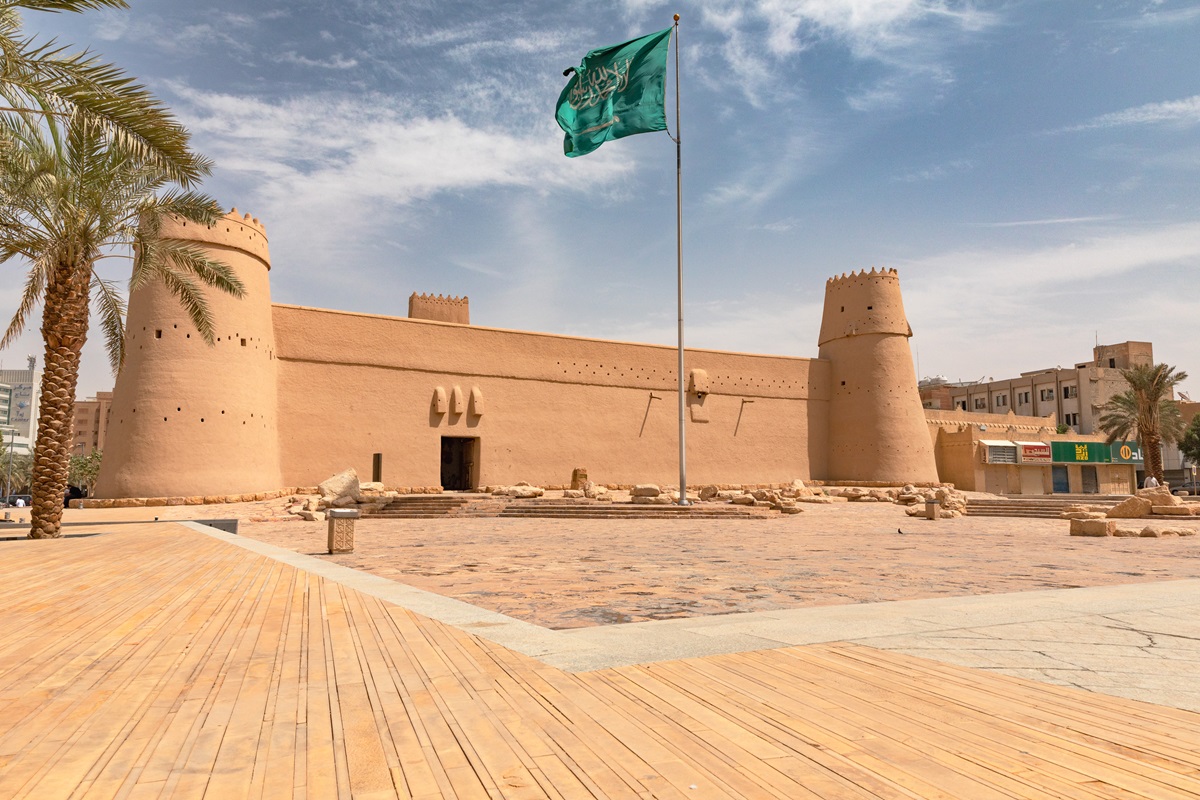
Saudi art and architecture reflect the country's rich cultural heritage, with a unique blend of traditional and modern elements. The country is home to some of the world's most iconic monuments, including the Kaaba, the Masjid al-Haram and the Masmak Fortress, all true marvels of architectural design. Saudi art is equally impressive, with intricate calligraphy, dazzling mosaics and beautiful sculptures all contributing to the country's rich artistic tradition.
Music and dance are an integral part of Saudi culture, with a tradition of both traditional and modern forms of entertainment. Traditional dances such as the Ardha and the Mizmar are popular throughout the country, with their rhythmic beats and intricate footwork captivating spectators of all ages. Saudi music ranges from traditional Arabic music to modern pop, with many talented musicians hailing from the country. Mohammad Abdu is one of the most revered Saudi singers of all time, with his soulful voice and heartfelt lyrics touching the hearts of millions around the Arab world.
Saudi clothing is a beautiful and unique blend of tradition and modernity, with traditional clothing for men and women reflecting the country's rich cultural heritage. The thobe is the traditional clothing for men, a long, loose garment available in a variety of colors and designs. Women typically wear the abaya, a full-length robe that covers the body from head to toe, along with a headscarf called a hijab. Saudi fashion is also influenced by Western styles, with many designers combining traditional and modern elements to create beautiful new designs that are both elegant and fashionable.
Saudi Arabia is a country deeply rooted in religion, with Islam being the dominant religion. The country's religious beliefs and practices are an integral part of its cultural identity, shaping its customs, traditions and way of life.
Islam plays a central role in Saudi Arabia’s history and society, with the country being home to the two holiest sites in Islam – Makkah and Madinah. Millions of Muslims from around the world flock to the country each year to perform the hajj and umrah, which are among the most important events in the Islamic calendar.
The importance of Islam in Saudi society is reflected in its laws, which are based on the principles of Islamic sharia law. The country's legal system is run by religious scholars who interpret and apply Islamic law in accordance with the Qur'an and Sunnah.
Islamic customs and traditions are an integral part of Saudi society. While practices may vary from region to region, one thing remains true at all times - the role of family and community. From giving zakat to helping those in need, Saudis place great importance on doing good deeds that benefit others.
One of the most important traditions in Saudi society is hospitality. It is considered a duty to welcome guests and treat them with kindness and generosity, regardless of their social status or background. This tradition is deeply rooted in the culture and is reflected in the famous Arabian hafawah, or hospitality of the country.
Saudi Arabia is home to many religious festivals and celebrations, most of which are related to Islamic events. Eid Al-Fitr, Eid Al-Adha and the Prophet's birthday are among the most important religious events celebrated in the country. These events are marked by family gatherings, community celebrations and other social events that bring people together.
During the month of Ramadan , Muslims fast from sunrise to sunset and break their fast with an Iftar meal at sunset. This is a time of spiritual reflection and community bonding, with families and friends gathering to share meals and exchange gifts.
In general, religion plays an important role in Saudi society, shaping its culture, traditions and way of life. It is a source of strength and unity for the country, bringing people together and strengthening their sense of community and identity.
Basic ingredients and foods
Saudi cuisine is rich and flavorful, with dishes that reflect the country's diverse culture and history. Rice, lamb and chicken are basic ingredients in many Saudi dishes, with spices such as cumin, cardamom and saffron being used to add flavor and aroma to the food.
Popular dishes and delicacies
Some of the most popular Saudi dishes include shawarma, kabsa and mandi - all a real treat for the taste buds. Saudi sweets are also delicious, with delicacies such as baklava, kunafa and luqaimat popular among locals and tourists alike.
Eating habits and customs
Saudi people pride themselves on their hospitality and the art of entertaining guests. When invited to a Saudi's home, it is customary to remove one's shoes before entering and to gratefully accept any food and/or drink offered. In addition, using one's right hand to eat is a sign of respect, and it is important to avoid alcohol or pork when dining with Muslim hosts.
Saudi Arabia is a country rich in history, culture, and tradition. From ancient times to the modern era, this country has undergone profound changes that have shaped its culture and identity. The vibrant culture, art, literature, music, and cuisine of Saudi Arabia are all a celebration of its diverse and dynamic past. By learning about the history and culture of Saudi Arabia, you will gain a greater appreciation for this fascinating and enchanting country.
Get inspired and informed before visiting Saudi Arabia