Events
Saudi National Day 2026
Read article

The holy month of Ramadan sees more than 2 billion Muslims around the world involved in self-discipline, increased prayers and efforts to give back. A holy month that goes beyond abstaining from food and drinks.
Islam has five pillars, five religious obligations that are an important part of the Muslim community. One of the five pillars is Ramadan. Ramadan is a time for self-reflection, devotion, generosity and sacrifice, uniting the global Muslim community in a shared commitment to spiritual growth.
Underlying Ramadan is the spiritual commitment to fasting, a practice seen by Muslims as a means of developing self-discipline, empathy for the less fortunate and spiritual awareness. During the fast, you abstain from sexual intercourse, eating, drinking, lying, smoking and swearing. The goal is to increase awareness of yourself and your actions, and in this way protect yourself from sins. Fasting is an obligation for every Muslim, but there are some exceptions, such as children who have not yet reached puberty, the elderly who are too weak to fast and menstruating women. Fasting begins at sunrise and lasts until sunset.
The fast is broken each evening with the call to the Maghrib prayer at sunset with a communal meal called iftar, which promotes a sense of unity and gratitude.
During Ramadan, meals are divided into two parts: before sunrise (suhoor) and after sunset (iftar). Suhoor is usually a hearty breakfast to start the day off right, while iftar is a convivial meal enjoyed with family and friends. Meals vary by family but often consist of dates, sweets, soup, savory snacks such as sambousek, followed by various hot dishes and salad.
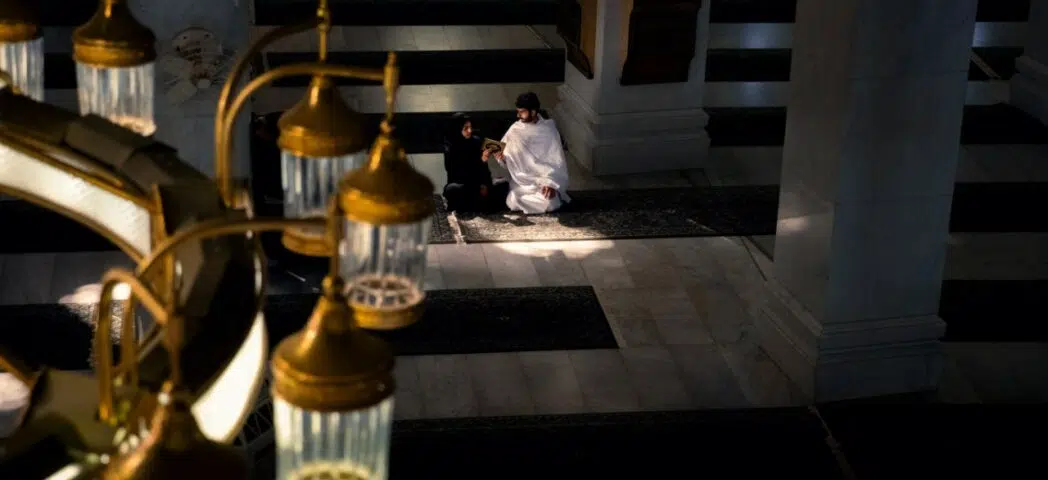
Night prayers, known as Taraweeh, are another integral aspect of Ramadan, allowing Muslims to participate in prolonged and intense worship after the Isha prayer, at home or in mosques where believers and Muslims pay attention to the Quranic recitation of different imams.
The 27th night of the holy month, Laylat Al-Qadr, is considered a blessed night in the Islamic calendar and holds a special place in the hearts of Muslims. It is said to be the night on which the Qur'an was first revealed to Prophet Muhammad and is considered more sacred than a thousand months. It is also said that fasting and praying during Laylat-al-Qadr brings immense rewards, including forgiveness of sins and fulfillment of sincere prayers.
Fatima Muthannah, a 25-year-old student at the University of Jeddah, expressed her excitement and readiness for the holy month. She explained the measures she took to prepare for Ramadan. "I prepared myself spiritually by increasing my prayers and reciting the Quran, mentally by reflecting on my deeds and seeking forgiveness, and physically by adjusting my diet and sleep schedule to cope with the long periods of fasting. Ramadan is a time of renewal and growth for me, and I can't wait to experience the blessings it brings," she said.
Khalid Mufti, from Makkah, said, "Ramadan has a special place in my heart, because it is a time of spiritual growth and reflection ... I look forward to attending the nightly prayers and communal iftars because they bring us together as a family and as a larger community. Ramadan is a time of unity, grace and blessings, and I look forward to making the most of it."
Do you have questions about Islam or Ramadan? Let us know at info@saoediarabie.nl.
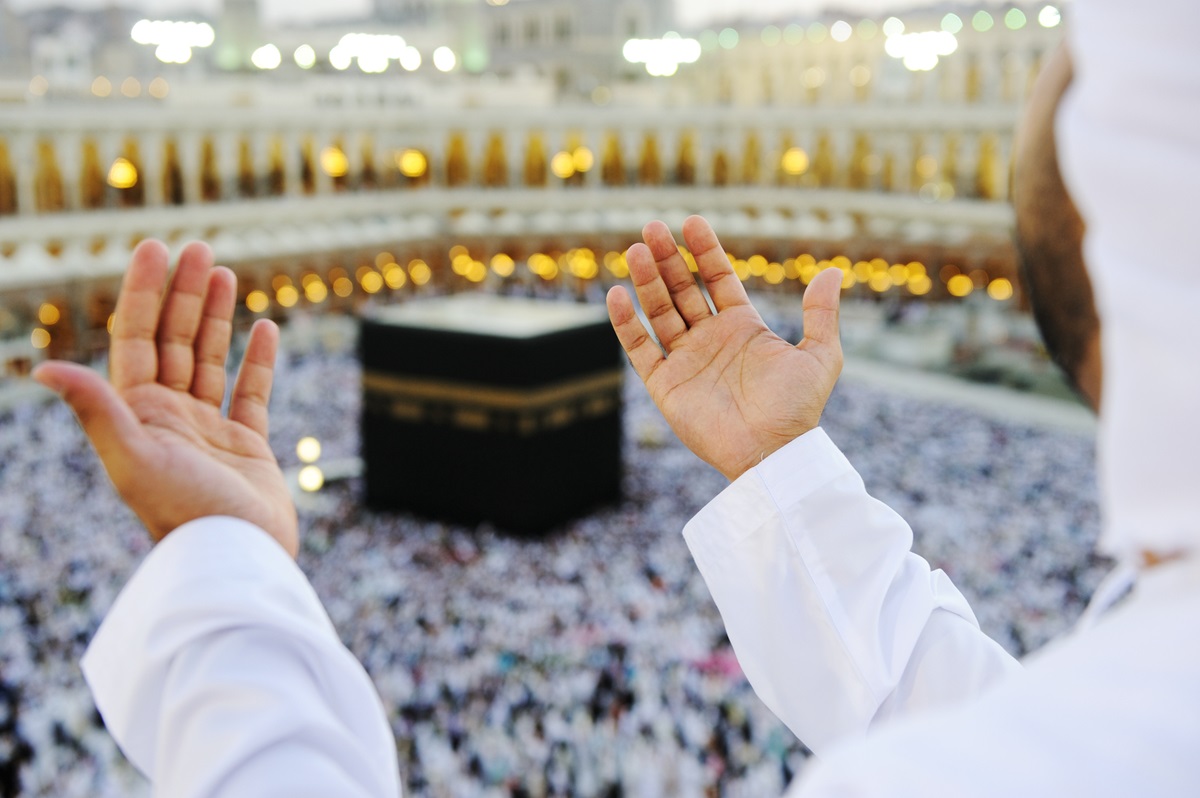
Every year Ramadan takes place in the ninth month of the Islamic calendar, which differs from the Gregorian calendar used in the west. The Gregorian calendar is based on the sun, while the Islamic calendar is based on the moon. As a result, Ramadan falls at a different time each year in the Western year.
Ramadan begins when the first crescent moon is visible, which varies depending on its location on Earth. In 2026, Ramadan will begin on Feb. 17 and end on March 19. However, the exact start and end may vary.
The official name of the Eid al-Fitr, which means "The Feast of Breaking the Fast." The term "Sugar Feast" was once directly translated from Turkish (Şeker Bayramı), because of the tradition of eating sweets during this celebration. Although Eid al-Fitr involves enjoying sweet treats such as baklava, it is not exclusively about these aspects. That is why not all Muslims agree with the name "Sugar Feast." Alternatively, the festival is also simply called Eid al-Fitr, Ramadan Feast, or "The Small Feast."
During the Sugar Festival, Muslims look back on Ramadan, congratulating each other on successfully completing it. Children receive gifts, families and friends visit each other and various delicacies are consumed. Eid al Fitr extends over a period of 3 days.
Each Ramadan season offers a unique opportunity for parents to introduce the holy month to young people by gradually training them to fast. This early introduction serves as a gentle way to familiarize them with the practice and its significance, highlighting the religious rewards and virtues of fasting. In this way, parents lay the foundation for understanding and appreciation of this sacred duty, preparing their children for when fasting becomes a mandatory act of devotion as adults.
Dr. Abdullah Jamal, a pediatrician and father of a 6-year-old son who will fast for half a day for the first time this year, said, "This holy month is not only important for us as adults, but also offers a unique, enriching experience for the youngest. It is a time when they learn about patience, spirituality and the essence of giving."
He added that parents should "introduce the concept of Ramadan in a gentle way, emphasizing the spiritual and community aspects rather than just fasting. Encourage participation in non-fasting activities such as prayer, charity and family gatherings to embed a sense of belonging and joy in their young hearts."
A sense of renewal is part of the arrival of Ramadan, from thorough cleaning to decorating homes and participating in festive shopping sessions.
In the lively streets and markets of cities across the kingdom, the excitement is tangible as vendors display an array of goods tailored to Ramadan. From traditional foods to intricately designed decorations, the markets come alive with the spirit of the season.
Al-Balad in Jeddah and Souk Al-Zal in Riyadh are notable markets where visitors and families gather to enjoy the lively atmosphere.
Souq Al-Zal covers 38,000 square meters and is known as one of the city's most traditional markets, with a history dating back more than a century within its corridors. It is located near Al-Dirayah in the heart of Riyadh, about 5.4 km away from the historic Al-Murabba Palace.
The historic district of Al-Balad merges tradition and modernity in the celebration of the holy month. In the historic architecture and narrow alleys of Al-Balad, visitors can experience vibrant festivities and the rich cultural diversity of Hejaz. Local shopkeepers offer traditional Ramadan decorations in addition to local food that cater to the tastes of many. Also worth a visit is the recently opened Tariq Abdulhakim Museum. This museum was opened in honor of one of `s country`s most famous musicians and composers.
Abdul Rahman, a shopkeeper in Al-Balad, reflecting on the unique atmosphere, said, "We are proud to offer our customers quality products that combine tradition and modernity. The joy on people's faces as they shop for Ramadan is truly heartwarming."
Earlier in February, the General Authority for the Affairs of the Grand Mosque and Prophet's Mosque opened applications for iftar meal providers at the Grand Mosque in Makkah during Ramadan, subject to specific conditions and standards.
Providers can electronically select the meal location and are required to contract with approved catering companies or factories and warehouses approved by the Saudi Food and Drug Authority.
The meals, consisting of pitted dates, cakes, pastries and juice, must meet approved packaging requirements.
The leadership also offers iftar services for fasting individuals at the Prophet's Mosque during the holy month.
More than 8.5 million iftar meals are distributed to fasting individuals at designated iftar locations in the mosque and its courtyards during Ramadan.
In addition, 2.5 million bottles of Zamzam water are being distributed to worshippers at the two holy mosques, as well as the distribution of drinking cups at 18,000 Zamzam water coolers at Prophet's Mosque. Also, 1,205 drinking fountains for drinking water were prepared and distributed in the external courtyards of the mosque.
Get inspired and informed before visiting Saudi Arabia